
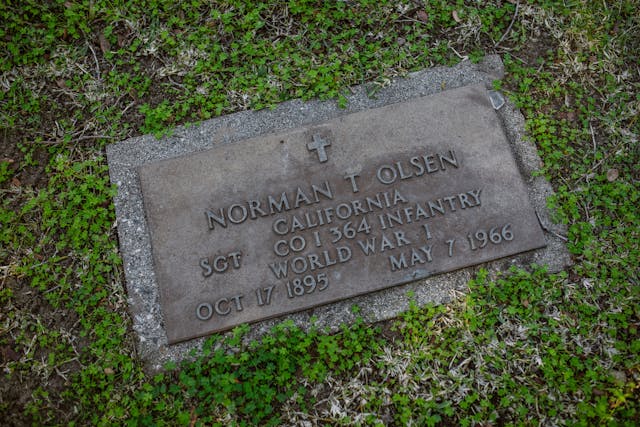
When did people start using surnames? People started using surnames at different times in different countries. In Europe, surnames started in the 11th century.
I am from the UK, so I am going to begin by looking at the origin of surnames in Europe and then look at other parts of the world. The word “surname” comes from the Latin “super”, which means “above”, and “nomen”, which means “name”. So, a surname is an above name, or a name above your name. Names for people have existed since at least the beginning of recorded history and most certainly for a long time before that. It is probably safe to assume that we started using individual sounds to refer to each other from the point where we developed language. There is obviously no way of knowing for certain if early humans used names for each other, but it is logical to assume that they did. One way we learned to hunt was as a group, and having the ability to communicate gave us an advantage over the prey we were hunting. Being able to call on an individual to do something would confer even more of an advantage and would be the logical origin of a name. Big nose, for example, could turn into a name. With only a small group of people, there was no need for a huge variety of names, but as the number of individuals in a group grew, more and probably more abstract names were needed. First names presumably developed from this.
Once you had first names, there was no real need for a surname amongst the majority of people. They lived, worked, and died in the same small community, where just their first name would be enough to identify them. If there happened to be two people with the same first name, then you could add comparative adjectives like “the younger” or “the older”. This didn’t apply to wealthy nobles, where a family name was more important. If you are consolidating wealth and want to pass it on to your children, then you need a way of differentiating your family from other families. Surnames in Europe first started in Rome. As Rome and the Empire grew, the wealthy inhabitants started to give themselves public names that indicated their social status. Less wealthy people trying to emulate the nobles began to give themselves names as well. However, the majority of servants and peasants would have gotten by with just first names.
When Rome switched over to Christianity, a lot of people started to add a Christian name to their first name, but this only lasted a couple of centuries before people generally reverted back to just one name. Then a couple of things happened that made the introduction of surnames necessary. By about 800 AD, the population of Europe started to increase. The majority of people were using Christian names, and there wasn’t enough variety to cover the growing population. The second thing was that the number of records being kept drastically increased. There were more inheritance and property records, and if everybody had the same name, record-keeping was difficult. When William the Conqueror invaded England in 1066, he took the idea of surnames with him, and it spread from there. The biggest push for surnames in England came about when the Domesday Book was written. It was an attempt by William the Conqueror to catalogue all of the land he had taken, and it was necessary to differentiate people, requiring surnames. Most names were taken from a profession, as in Smith or Baker, from a place, such as Hill or Green, in relation to a parent, such as Robinson, or from physical characteristics, such as Short or Strong. Other countries in Europe did the same thing. The Domesday Book might have started this in England, but it took several centuries for it to stick, though. Names were not hereditary and, often, a child would have a different surname to their parents. Names started to become hereditary around about the 14th century in England, and this can be seen in Poll Tax records.
Europe was not the first place to start using surnames. It is said that surnames first began in China in 2000 BC. The Emperor Fu Xi is said to have ordered his subjects to use surnames. It was a long time before Europe, but it was for a similar reason. He wanted to take a census and find out who owned what. Having many people with the same name would make it complicated. This is only a legend, though. And this is what I learned today.
Sources
https://www.loginradius.com/blog/identity/history-identity-part-2
https://www.etymonline.com/word/surname
https://en.wikipedia.org/wiki/Personal_name
https://www.ancestry.com/c/ancestry-blog/how-the-history-of-surnames-affects-your-ancestry
https://en.wikipedia.org/wiki/Surname
https://en.wikipedia.org/wiki/Demographics_of_Europe
Photo by RDNE Stock project: https://www.pexels.com/photo/gray-concrete-tomb-stone-with-quote-6841261/