
Why does jaundice turn people yellow? Jaundice turns people yellow because a yellow-orange pigment called bilirubin builds up in the blood and body tissues.
The word jaundice came into English from French. In Old French, jaune meant yellow, and that came from a Latin word meaning greenish-yellow. That is why jaundice has always been connected with the color yellow.
The body makes bilirubin when it breaks down old red blood cells. Red blood cells are produced in huge numbers by the bone marrow. On average, a red blood cell lasts for about 120 days. Many other cells can repair themselves, but red blood cells are unusual because they have no nucleus. They have evolved to use almost all of their space for carrying oxygen, and they have sacrificed their nucleus to do that. This makes them very good at carrying oxygen, but it also means they cannot repair themselves properly. After about 120 days, many red blood cells become too old, damaged, and rigid.
The spleen helps remove these old red blood cells from circulation. Young, flexible red blood cells can squeeze through the spleen, but older and stiffer ones get trapped. Specialized white blood cells then break them down and recycle their components. This is happening all the time. Roughly five million red blood cells are broken down every second.
Most of the useful parts of the red blood cell are recycled. The oxygen-carrying protein in red blood cells is called hemoglobin. Hemoglobin is broken down into heme and globin. The globin part can be broken down and reused as amino acids. The heme part is broken down by enzymes. The iron is removed and saved for reuse, and the rest is changed first into biliverdin and then into bilirubin.
Bilirubin is a problem because, at first, it does not dissolve well in water. This form is called unconjugated bilirubin. To move it safely through the blood, the body attaches it to a protein called albumin. Albumin carries it to the liver. The liver then processes the bilirubin by attaching it to another molecule, which makes it water soluble. This is called conjugated bilirubin.
Once the bilirubin has been made water soluble, the liver sends it out in bile. Bile is a fluid that helps the body digest fat. It is made mostly of water, bile salts, cholesterol, and other substances, but bilirubin is one of the pigments that gives bile its yellow-green color. The word bilirubin is connected to bile and redness, which makes sense because bilirubin begins as part of red blood cells and ends up as a bile pigment.
The bile travels from the liver into the small intestine, where it helps break down fat. The bilirubin then continues into the large intestine. There, bacteria change it into other chemicals, including urobilinogen and stercobilin. Stercobilin is brown, which is one of the main reasons poo is brown. Some urobilinogen is absorbed back into the blood and eventually reaches the kidneys. There, it is converted into urobilin and leaves the body in urine. Urobilin is yellow, which is one of the reasons urine is yellow. So, in a strange way, poo is brown and urine is yellow because red blood cells are recycled after about 120 days.
When the body is working properly, this whole system keeps going without being noticed. Old red blood cells are broken down, bilirubin is made, the liver processes it, bile carries it into the intestine, and the waste products leave the body. However, sometimes bilirubin builds up faster than the body can remove it. When that happens, jaundice appears.
There are several reasons this can happen. One cause is that too many red blood cells are being broken down too quickly. This produces more bilirubin than the liver can process. Another cause is liver disease. If the liver is damaged, it may not be able to process bilirubin properly. A third cause is a blockage in the bile system. If the bile ducts or gallbladder are blocked, the bilirubin cannot drain into the intestine properly, so it backs up into the blood.
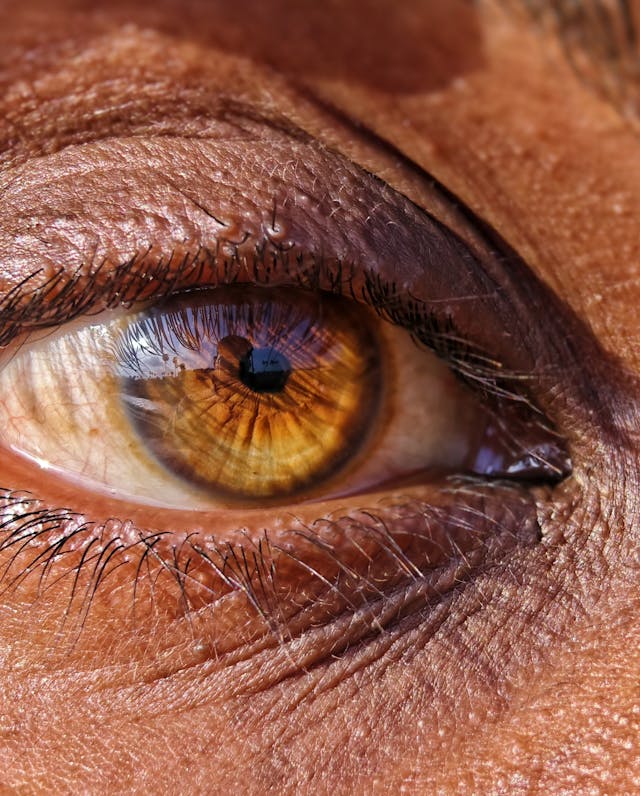
When too much bilirubin stays in the blood, it is carried around the body and deposited in tissues. It is easiest to see in the skin and in the whites of the eyes. Bilirubin is a yellow-orange pigment, so when enough of it builds up, the skin and eyes start to look yellow. The yellow color is not coming from the skin itself. It is coming from a recycled blood pigment that the body has not been able to clear.
Jaundice can also make people itchy, especially when it is caused by blocked or reduced bile flow. The itching is thought to happen because bile acids and other substances build up in the blood and irritate nerves in the skin. This is why some people with jaundice feel itchy even when they do not have a rash.
There is no cure for jaundice itself because jaundice is not one single disease. It is a symptom. The way to treat it is to find out why the bilirubin is building up and fix that problem. It might be a blood problem, a liver problem, or a blocked bile duct. The yellow color is the clue. The real question is why the bilirubin is there. And this is what I learned today.
Sources
https://en.wikipedia.org/wiki/Jaundice
https://en.wikipedia.org/wiki/Bilirubin
https://my.clevelandclinic.org/health/diagnostics/17845-bilirubin