
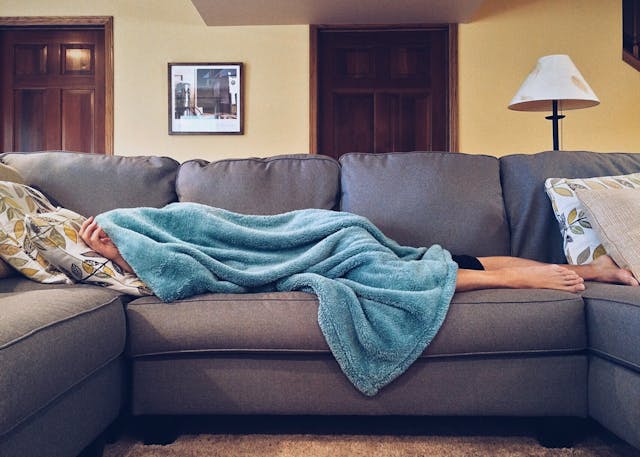
Why do we get sleepy after eating? We get sleepy after eating because digestion, hormones, and our body clock can all reduce alertness, especially after a large meal. A lot of people notice that after a large lunch it becomes very difficult to stay awake through the afternoon, and the coffee starts to look more and more attractive. Eating does not always make us sleepy, though. It depends largely on what we eat, how much of it we eat, and what time of day we eat it.
Before researching this, I thought that the only reason we got sleepy after eating was because the body redirects blood from the brain to the digestive system to cope with the food we have eaten. However, if this were the whole explanation, we would get sleepy no matter what we ate, and that is clearly not the case. We also do not usually get especially sleepy after breakfast, even if we have eaten a very large one, so there has to be more going on. A person can feel perfectly fine after one meal and heavy-eyed after another, even if the amount of food is similar.
Blood being redirected is probably part of the story, but only a small part. When we eat, more blood is sent to the stomach and intestines to absorb nutrients and help the digestive system do its work. Obviously, the more we have eaten, the more work the digestive system has to do, but this by itself would not make us all that tired. The body is also shifting into what is often called a rest-and-digest state. The parasympathetic nervous system becomes more active, the body settles down to process the meal, and the whole system tends to become a little calmer. The main reasons seem to be more to do with the body’s chemical responses and with timing.
A lot of foods contain an amino acid called tryptophan. Our bodies use tryptophan to help make serotonin, which is a chemical messenger involved in mood, appetite, and sleep. Serotonin helps us feel calmer and more relaxed, and the brain also uses it as part of the process of making melatonin, the hormone that helps regulate the sleep-wake cycle. That does not mean that eating one tryptophan-rich food instantly knocks a person out, but after a large meal, especially one with a mix of carbohydrates and protein, this whole chain of chemical signals can contribute to that sleepy feeling. This is one reason why a heavy meal can feel so comforting at first and then so tiring not long afterward.
Carbohydrates can also play a part because they cause the body to release insulin. Insulin is made in the pancreas and helps move glucose out of the bloodstream and into cells, where it can be used for energy or stored for later. If a meal is very high in carbohydrates, especially refined carbohydrates, blood sugar can rise quickly and then fall again later. That drop can leave a person feeling tired, heavy, and sluggish. In other words, it is not that insulin itself is a sleeping chemical. It is that the body’s response to a large, carbohydrate-heavy meal can make energy levels dip afterward. Fatty meals can have a similar effect as well, simply because they are large, rich, and slower to digest, which can leave the body feeling even more weighed down.
Another reason we get sleepy is simply timing. Our circadian rhythm works with the light-dark cycle, and many people naturally have a dip in alertness in the early afternoon. This is why a large lunch often feels worse than a large breakfast. It is arriving right at the time of day when the body is already becoming a little less alert. A big meal can push that feeling further. That is one reason why a short nap after lunch, or a siesta, can make people feel better. Some light exercise after eating can also help. People doing physical work are probably less likely to notice the dip than people sitting still in front of a computer, because movement itself helps keep the body awake.
The best way to avoid getting sleepy after lunch is usually to have a smaller meal and not make it too heavy in refined carbohydrates. Some people also find it helps to include more protein, fiber, and vegetables rather than eating a very starchy meal all at once. However, the idea of having a small lunch and a large dinner is fairly recent. When many people worked on farms, lunch used to be their largest meal because they needed energy for physical labor in the afternoon and did not want to go to bed with a very full stomach. As countries industrialized and people moved from the countryside into cities, meal patterns changed along with work schedules and daily routines. These days a heavy lunch often comes before an afternoon spent sitting down, and that may be one reason the sleepy feeling stands out so much.
Sources
https://www.medicalnewstoday.com/articles/323379#prevention
https://my.clevelandclinic.org/health/articles/22572-serotonin
https://www.caltech.edu/about/news/settling-debate-serotonins-role-sleep
Photo by Pixabay: https://www.pexels.com/photo/person-lying-on-sofa-269141/