
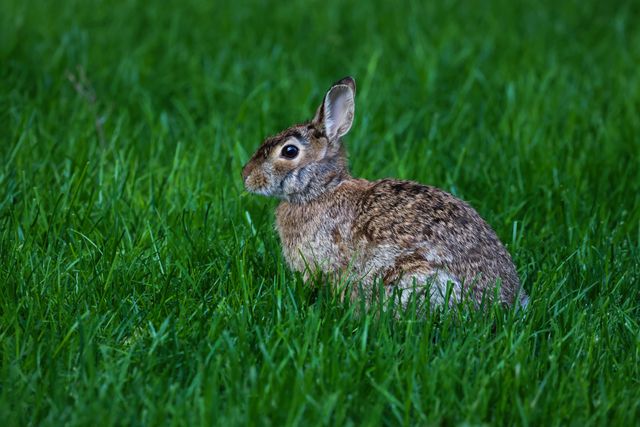
What is rabbit starvation? Rabbit starvation is what can happen when a person eats almost nothing except very lean meat for a prolonged period. A person can feel full, but still become malnourished because the diet is extremely high in protein and extremely low in fat and carbohydrates. The name “rabbit starvation” comes from rabbit meat being famously lean, but the problem is more accurately described as protein poisoning driven by a severe lack of dietary energy from fat and carbs.
Rabbit starvation is often described as a situation where someone eats only rabbit and, despite eating plenty of food volume, develops worsening symptoms and can eventually die if the diet is not changed. Rabbit is the classic example because wild rabbits contain very little fat. However, rabbit is not the only possible trigger. Any very lean meat eaten as the only food for long enough could create a similar problem. Other very lean game meats are often mentioned in the same context. The key point is not “eating rabbit,” but eating an almost all–lean-protein diet with very little else.
Rabbit starvation is rare these days, but it did happen in the days of exploration and settling new lands. People settling a new area did not always know what plants were safe to eat, so they often relied on familiar game. It can also happen in famine or survival situations, when options are limited and the available meat is very lean.
The underlying issue is that the body needs more than protein. Humans need protein, fats, vitamins, and minerals, but we also need enough usable energy. In a normal diet, most energy comes from carbohydrates and fats. Protein can provide energy too, but it is not an efficient “default fuel” because amino acids contain nitrogen. When amino acids are used for energy, the body has to remove that nitrogen first.
Removing nitrogen produces ammonia (or ammonia-related compounds), and ammonia is toxic if it accumulates. The liver normally protects the body by converting ammonia into urea, which is then carried to the kidneys and removed in urine. In an extreme lean-meat-only diet, protein becomes an unusually large fraction of total calories, and the body is forced to burn amino acids as its main fuel because there is so little fat and carbohydrate available.
At that point, the system that clears nitrogen waste is pushed hard. People in this state are often described as developing nausea, loss of appetite, weakness, headaches, and diarrhea. Even if the exact symptom pattern varies, the overall trajectory is similar: the person feels increasingly unwell, struggles to keep eating, and can become dehydrated. High urea production increases water loss in urine, and diarrhea can make dehydration worse. If the situation continues and no fat- or carbohydrate-rich foods can be found, symptoms can worsen and become dangerous.
This is also why rabbit starvation is not caused by “too much rabbit” in the everyday sense. Rabbit can be eaten as part of a normal diet without any problem. The problem appears when lean meat is eaten in isolation, so that protein is forced into the role of main energy source and fat intake stays extremely low for long enough. Some discussions describe the risk zone as protein becoming roughly a third (or more) of total calorie intake for an extended period, but the practical point is the imbalance rather than a single magic number.
So why do rabbits themselves not get protein poisoning? Rabbits do not live on “lean protein calories” in the way a human would on a rabbit-only survival diet. Rabbits are hindgut fermenters. Microbes in their cecum and large intestine break down fiber and produce fatty acids that rabbits can absorb and use for energy. Rabbits also eat cecotrophs (soft droppings) to recover nutrients produced by those microbes, including vitamins and microbial protein. In other words, a large share of a rabbit’s usable energy comes mainly from fermented fiber, not from burning protein.
Humans cannot do that to the same extent. Humans can ferment some fiber in the gut, but not enough to live on, and it does not replace the dense calories that fats and starches provide. So if a human diet becomes “very lean meat and almost nothing else,” protein is forced into the role of main fuel, nitrogen waste becomes a limiting factor, and the symptoms associated with rabbit starvation can appear.
If lean meat is the main available food, it needs to be paired with fats and/or carbohydrate-rich foods whenever possible. In less dramatic terms, rabbit is safest as part of a meal that includes energy from elsewhere—something like rabbit with bread or potatoes, plus a source of fat. A rabbit salad sandwich with mayonnaise would do it. And this is what I learned today.
Sources
https://en.wikipedia.org/wiki/Protein_toxicity
https://journals.humankinetics.com/view/journals/ijsnem/16/2/article-p129.xml?content=pdf
https://www.getlabtest.com/news/post/rabbit-starvation-causes-prevention
https://www.healthline.com/health/protein-poisoning#vs-protein-toxicity
https://www.horizonvetbrighton.com/site/blog/2022/06/15/understanding-the-ruminant-digestive-system