Author name: Threeyzmonkeys

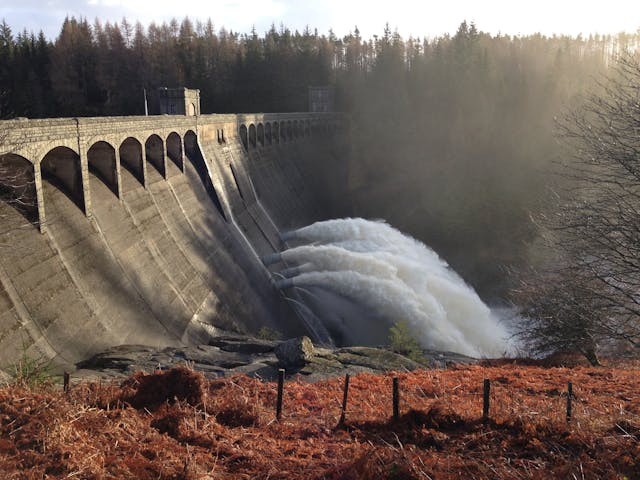
#1411 How does hydroelectric power work?

How does hydroelectric power work? Hydroelectric power works by converting the gravitational potential energy of stored water into kinetic energy, and then into electricity. As the first law of thermodynamics says, energy cannot be created or destroyed, only transformed from one type into another. This is what hydroelectric power does. A hydroelectric power station takes […]

#1411 How does hydroelectric power work? Read More »
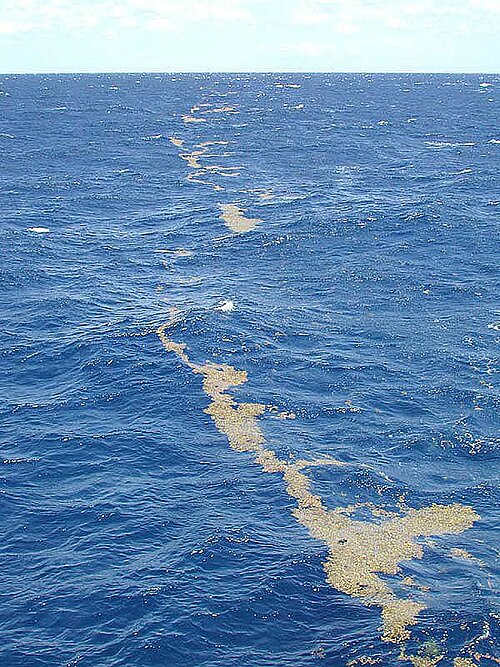
#1410 What is the Sargasso Sea?

What is the Sargasso Sea? The Sargasso Sea is the only sea in the world that doesn’t have any land borders. It is located in the Atlantic Ocean and has an area of 3.5 million square kilometers. That makes it roughly 3% of the Atlantic Ocean. The Sargasso Sea is bordered by four ocean currents.

#1410 What is the Sargasso Sea? Read More »

#1409 What makes a rainbow?

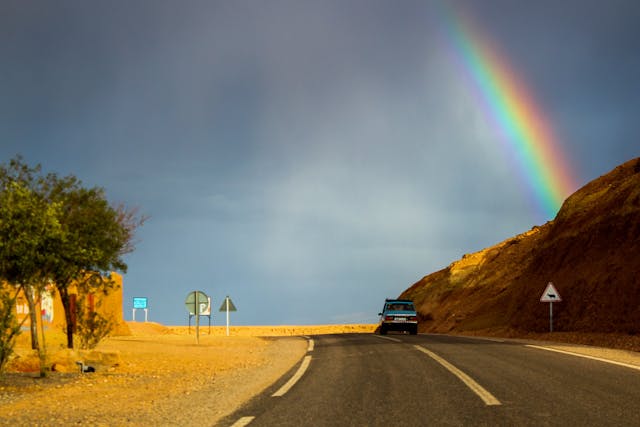
What makes a rainbow? A rainbow forms when light is refracted, reflected, and dispersed by raindrops in the air. The rainbow can only be seen from an angle of 42 degrees. The sun, or the source of light, must be behind you. We can see a rainbow because of the speed of light through an

#1409 What makes a rainbow? Read More »

#1408 What is a filibuster?

What is a filibuster? Filibuster has two meanings that are connected. The original, historical meaning of the word filibuster, is someone who “engages in an unauthorized military expedition into a foreign country or territory to foster or support a political revolution or secession”. The more modern meaning of the word filibuster is political, and it

#1408 What is a filibuster? Read More »

#1405 What is self-raising flour?

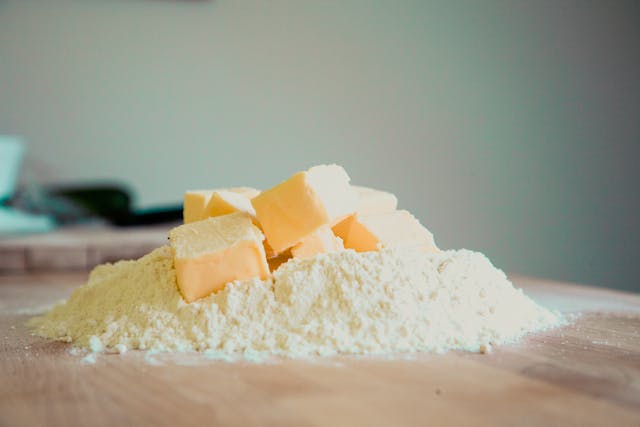
What is self-raising flour? Self-raising (self-rising in the US) flour is wheat flour that has the leavening agent (usually baking powder) and sometimes salt already added to it. The purpose of self-raising flour is to (as it says in the name) rise on its own, which means without adding any other ingredients. When you are

#1405 What is self-raising flour? Read More »